Road Signs and Vulnerable Users: The Two Theory Test Areas Where Most Marks Are Lost
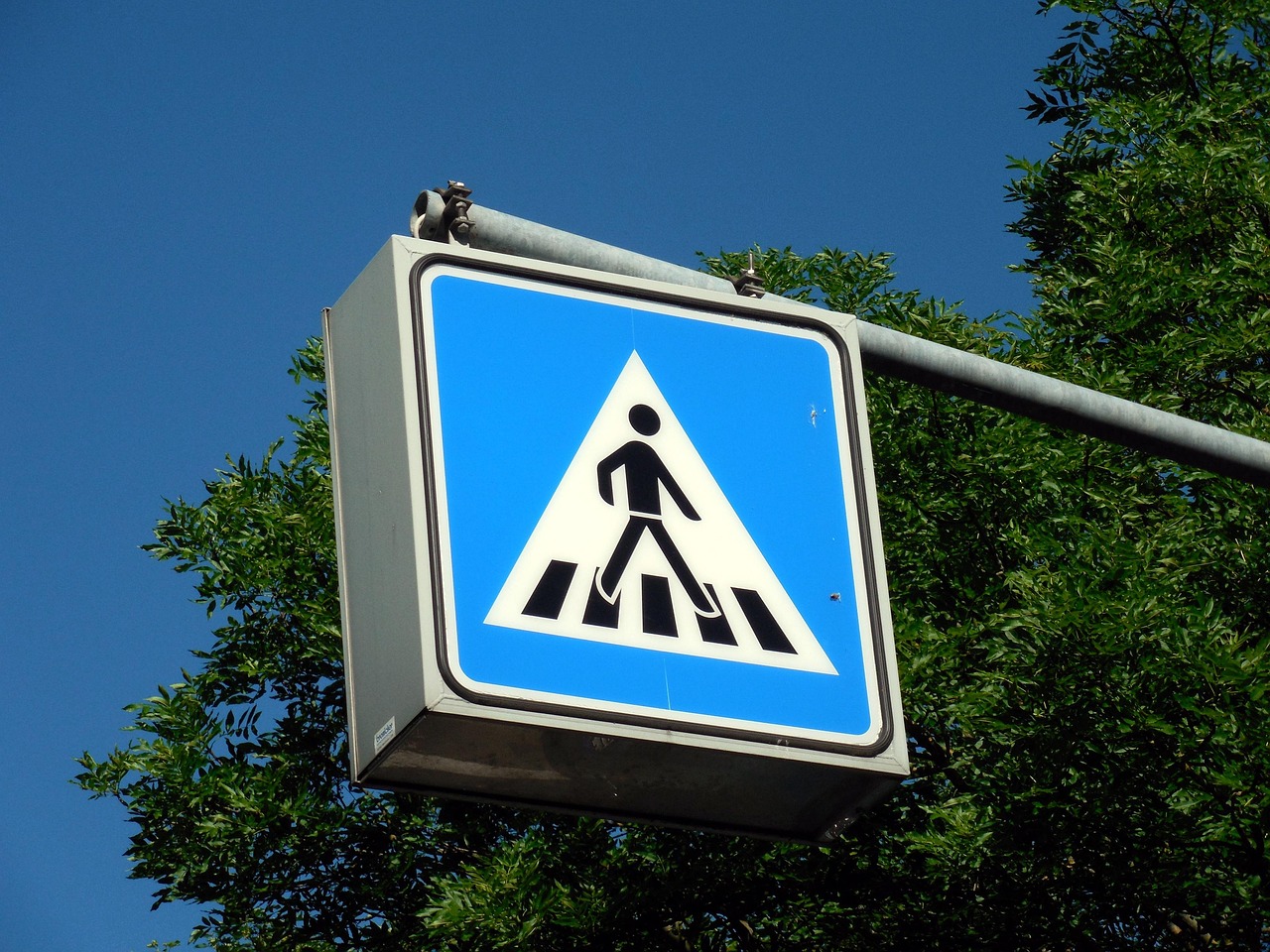
Analysis of theory test performance consistently shows two categories where candidates lose more marks than anywhere else: road signs and rules about vulnerable road users. These are not the hardest topics in the test. They are the topics that candidates most often underrevise, assuming familiarity from everyday life is enough preparation. It is not.
Here is a precise breakdown of what the test actually asks about in each area and where the errors tend to occur.
Table of Contents
Road signs: shape and colour carry meaning
The UK road sign system is logical once you understand the underlying structure. Every sign communicates through its shape and colour before you read a single word or number.
Circles give orders. A red-bordered circle prohibits something. A blue circle instructs you to do something. If you see a circular sign, you are being told what to do or not do. Not warned, not informed.
- A red circle with a number inside it is a speed limit. You must not exceed it.
- A red circle with a white horizontal bar means no entry.
- A blue circle with a left-pointing arrow means you must turn left.
- A blue circle with a number means minimum speed. Not maximum. This is one of the most frequently confused signs in the test.
Triangles warn. Red-bordered triangles on white backgrounds warn of hazards ahead. They do not give orders. They tell you to be prepared.
- The symbol inside the triangle identifies the hazard: crossroads, a bend, cattle, cyclists, children.
- The test frequently asks about triangles with less common symbols. A triangle with a diagonal red line crossing a narrower road ahead means the road narrows. A triangle with two arrows crossing means two-way traffic ahead after a one-way section.
Rectangles inform. Rectangular signs provide information. Colour identifies the type of road: blue for motorways, green for primary routes, white for minor roads, brown for tourist destinations.
Signs that people commonly confuse
The test does not ask you to identify a red circle. It presents you with specific signs that are visually similar and asks you to distinguish between them. The ones that cause the most errors:
- "No waiting" (single yellow line) versus "No stopping" (red route). Yellow lines regulate parking and waiting. Red lines regulate stopping entirely.
- "Give way" (inverted red triangle or broken white lines at a junction) versus "Stop" (red octagon with white text and a solid white line). At give way you yield if necessary. At stop you must come to a complete halt even if the road is clear.
- "No U-turn" (red circle with a U-turn symbol crossed out) versus "No right turn" (red circle with a right-turning arrow crossed out). These look similar and appear in the same category of question.
- Advisory speed signs (white rectangle with a number in brackets) versus mandatory speed limits (red circle with a number). Advisory signs suggest a speed. Mandatory signs enforce one.
Temporary signs
Roadworks signs are yellow with black text. They are temporary and override the usual permanent signs while in force. A temporary 40mph speed limit shown on a yellow sign at roadworks overrides the permanent 60mph on that stretch of national speed limit road. Questions about temporary signs test whether candidates understand this override principle.
Vulnerable road users: the hierarchy changed what "priority" means
Since January 2022, the Highway Code contains three rules. H1, H2, and H3. That formally establish a hierarchy placing pedestrians at the top and large vehicle drivers at the bottom. The hierarchy does not mean pedestrians can ignore traffic. It means drivers of heavier, faster vehicles bear greater responsibility to yield.
For the theory test, the practical implications cluster around junctions and overtaking.
At junctions, the turning vehicle yields
Rule H2 states that drivers turning into or out of a junction should give way to pedestrians crossing or waiting to cross the road into which they are turning. It also applies to cyclists going straight ahead at a junction when a car is turning across their path.
Before 2022, the conventional understanding was that pedestrians had priority at crossings and waited everywhere else. The updated rule gives pedestrians and cyclists priority in more situations than most candidates appreciate. A question that describes a driver turning left at a junction with a cyclist going straight through should be answered: the cyclist has priority.
Specific distances for overtaking
The test asks about safe passing distances for vulnerable road users. These are not vague. They are specific figures from Rule H3:
- Cyclists: at least 1.5 metres when overtaking at speeds up to 30mph. More space at higher speeds.
- Horse riders: at least 2 metres, and at a maximum of 10mph.
- Pedestrians walking in the road: at least 2 metres.
Questions will describe a scenario and ask what the minimum safe overtaking distance is. Know these numbers.
What cyclists are allowed to do
Several theory questions test whether candidates understand the rights and behaviours of cyclists, particularly as they changed with the 2022 updates.
Cyclists can ride two abreast. This is legal and they are permitted to do so, particularly on narrow roads or when accompanying a less confident rider. A question suggesting this is incorrect will be wrong.
Cyclists can ride in the centre of a lane. A position called "primary position". When the road is narrow, when approaching a junction, or in slow-moving traffic. They do this to improve their visibility and to discourage dangerous overtaking. This too is legal. The test may ask why a cyclist is riding in the middle of the lane rather than to the left; the correct answer is that they are making themselves more visible and deterring close overtaking.
Horses
Questions about passing horses appear in most theory tests and the answers are precise. Slow down to 10mph before reaching the horse. Pass wide (at least 2 metres) and slow. Do not use the horn or rev the engine. Be prepared for the horse to react unpredictably. If a rider signals you to stop, stop.
Children near the road
Children appear as a specific category in the hazard perception test as well as the multiple-choice section. The relevant principle: children move unpredictably and do not reliably understand traffic. A ball rolling into the road is a signal that a child may follow. A child looking back over their shoulder while standing near a kerb is about to step out. You should treat the presence of children near the road as a developing hazard.
How to study these areas efficiently
Both road signs and vulnerable user rules lend themselves to targeted practice rather than general revision.
For road signs: work through a dedicated signs quiz rather than encountering them randomly in full mock tests. The goal is to see the same sign in different question phrasings until the meaning is automatic. Pay extra attention to the categories of signs you find visually similar. Mandatory versus advisory speed signs, prohibited versus instructed actions.
For vulnerable users: read Rules H1, H2, and H3 in the current Highway Code. Then read the sections on cyclists (rules 62–82) and horse riders (rules 52–55). The test draws directly from this material. Knowing the rule numbers is not important; knowing the content is.
The Driving Theory Test UK app allows you to filter practice questions by topic. Running a session on road signs alone, then reviewing what you got wrong against the Highway Code explanation, is more effective than doing full mixed mock tests when these are your weak areas.
These two topics account for a significant share of questions in every theory test. Getting them right is not optional. It is the foundation of a reliable pass.
Related Articles



🚗 Ready to Pass?
Master the UK DVSA driving theory test with 100+ realistic practice tests, 1000+ question bank, hazard perception videos, and the complete Highway Code.