Life in the UK Test Booking and ID | How to Avoid Delays and Rejections | Life in the UK: ExamReady
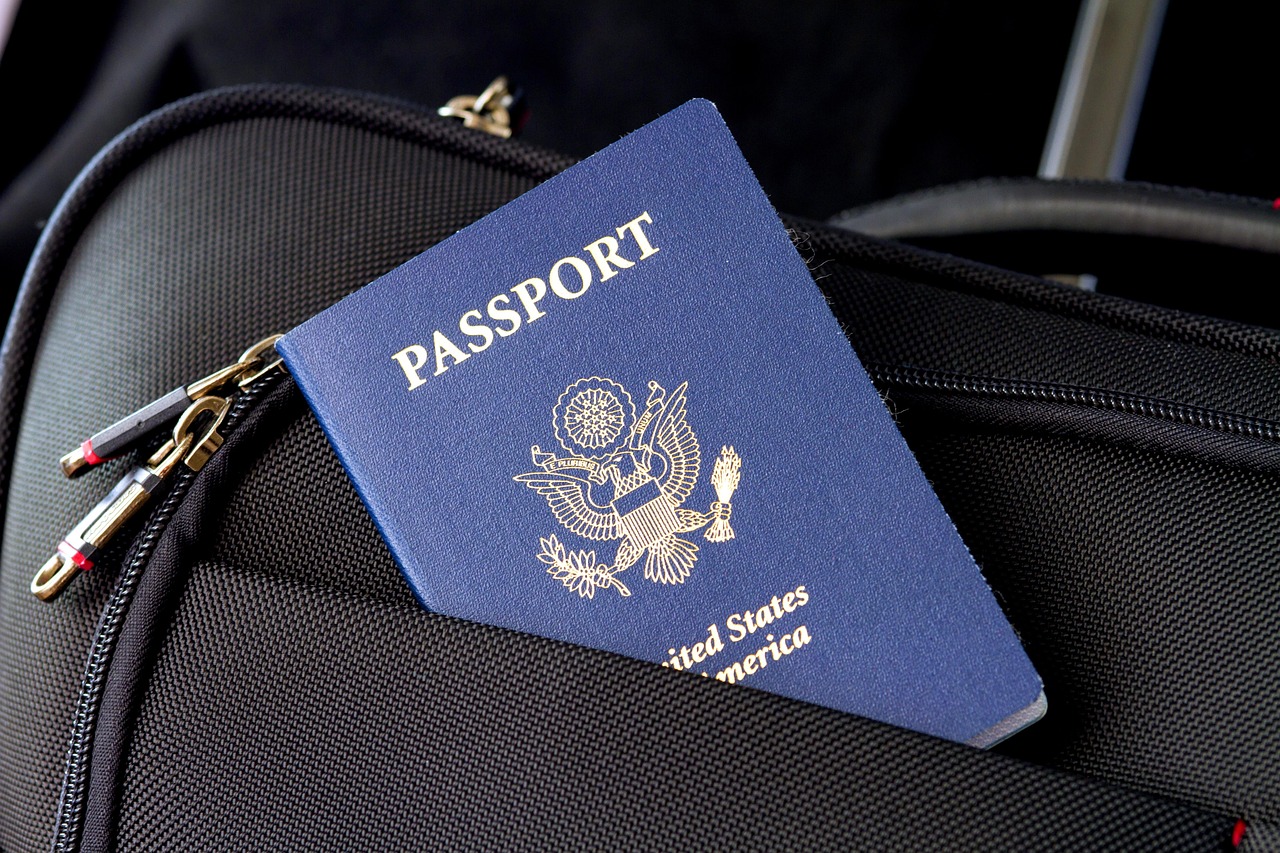
For many candidates, the most stressful moment of the Life in the UK Test has nothing to do with the questions. It happens at the check-in desk, when an ID document doesn't match the booking, or when someone realises they've left their passport at home.
Administrative mistakes are one of the most common. And most avoidable. Reasons candidates are turned away on test day, losing their test fee and facing the delay of rebooking. This guide covers the booking process and identification requirements in full, so that nothing about this side of the experience catches you off guard.
Table of Contents
Booking the Test: Getting It Right From the Start
Use the official government website only. Book exclusively through gov.uk/life-in-the-uk-test. Unofficial sites exist that charge additional fees or, in some cases, take payment for nothing. There is no legitimate third-party booking service for this test.
The booking process:
- Create an account on the official booking service. Enter all personal details exactly as they appear on the identification document you intend to bring on test day.
- Select a test centre and an appointment date that gives you sufficient preparation time. Availability at popular centres can be limited, so booking in advance is sensible. Particularly if your application deadline is approaching.
- Review every detail before confirming payment. A typo in your name at this stage will cause problems on test day and may not be easily correctable.
- Save your confirmation email. It contains your booking reference number, appointment time, and test centre address. Have it accessible. Either printed or clearly stored on your phone.
The single most important rule: the name you enter during booking must exactly match the name on the ID document you bring. This includes middle names, hyphens, and any special characters. "Mary Smith" and "Mary Jane Smith" are different names as far as the booking system is concerned.
Identification: What Is and Isn't Accepted
This is where most test day problems occur. The rules are strict and non-negotiable. Test centre staff have no discretion to waive ID requirements.
Accepted ID documents
You must bring one of the following original, unexpired documents:
- A valid passport
- A Biometric Residence Permit (BRP)
- A valid national identity card from an EEA country
- A valid travel document issued by the Home Office
Not accepted as primary ID
The following are commonly assumed to be acceptable but are generally not:
- UK driving licence (provisional or full)
- Student ID cards
- Bank cards
- Utility bills
- Expired versions of any accepted document
Always verify the current accepted ID list on gov.uk before your test, as requirements can be updated.
The rules that catch people out
Originals only. Photocopies, scans, and digital images on your phone are never accepted. You must bring the physical document.
In-date validity. Check your document's expiry date well before your test date. Not the morning of. If it expires between now and your test date, renew it before booking.
Name consistency. The name on your ID must match your booking exactly. If you have recently changed your name through marriage or deed poll, ensure your ID has been updated to reflect this, or bring supporting documentation such as a marriage certificate.
Condition. Severely damaged, defaced, or tampered documents may be rejected. The photograph and personal details must be clearly legible.
Same document as used for booking. Bring the specific document whose details you entered when you booked. Not a different valid document. If you booked with your passport number, bring your passport, even if your BRP would otherwise be acceptable.
Common Mistakes and How to Avoid Them
| Mistake | How to avoid it | ||| | Expired ID | Check expiry date immediately after booking; set a reminder if it's close | | Name mismatch | Copy your name directly from your ID when filling in the booking form | | Bringing the wrong document | Check your confirmation email for which document type you registered | | Forgetting ID entirely | Pack it the night before with your confirmation email | | Arriving late | Research the route in advance; aim to arrive 15–20 minutes early | | Booking through unofficial sites | Only use gov.uk/life-in-the-uk-test |
What to Expect at the Test Centre
Arrive at least 15 minutes before your scheduled appointment. Late arrivals are typically not admitted, and the test fee is forfeited.
At check-in, you will:
- Present your original ID for verification
- Have your photograph taken
- Confirm your personal details against the booking record
- Be asked to store all personal belongings. Phone, bag, coat, watch. Outside the testing room
Electronic devices are not permitted in the testing room. Switch your phone off before entering the building.
The invigilator will brief you on how the computer system works, the rules, and what to do if you encounter a technical problem. Listen carefully. This takes only a minute or two and prevents avoidable confusion during the test.
After the Test
You will normally receive your result immediately when you complete the test.
If you pass: You will receive a Pass Notification Letter. This is an important document. Keep it safe, make copies, and store it somewhere you can find it years from now. It does not expire and will be required when you apply for ILR or citizenship. See our post on why your result never expires and how to protect it for full guidance.
If you don't pass: You must wait seven days before rebooking. Use that time to work out what went wrong and address it before your next attempt. Our retake strategy guide covers this in detail.
The Preparation Side
Sorting out your ID and booking is one part of being ready for test day. The other is knowing the material. If you're still in the preparation phase, our complete study strategy guide covers how to work through the handbook and practice tests effectively, and our test day guide walks through what to expect during the exam itself.
For structured practice that mirrors the actual test format, the Life in the UK: ExamReady app is worth having installed well before your test date. So that by the time you arrive at the test centre, the format itself holds no surprises.
Related Articles



🎯 Ready to Pass?
Master the Life in the UK test with 100+ realistic mock tests, 1000+ Question Bank, a full study guide, smart flashcards, and performance insights.