Australian Citizenship Processing Times: What to Expect and How to Plan
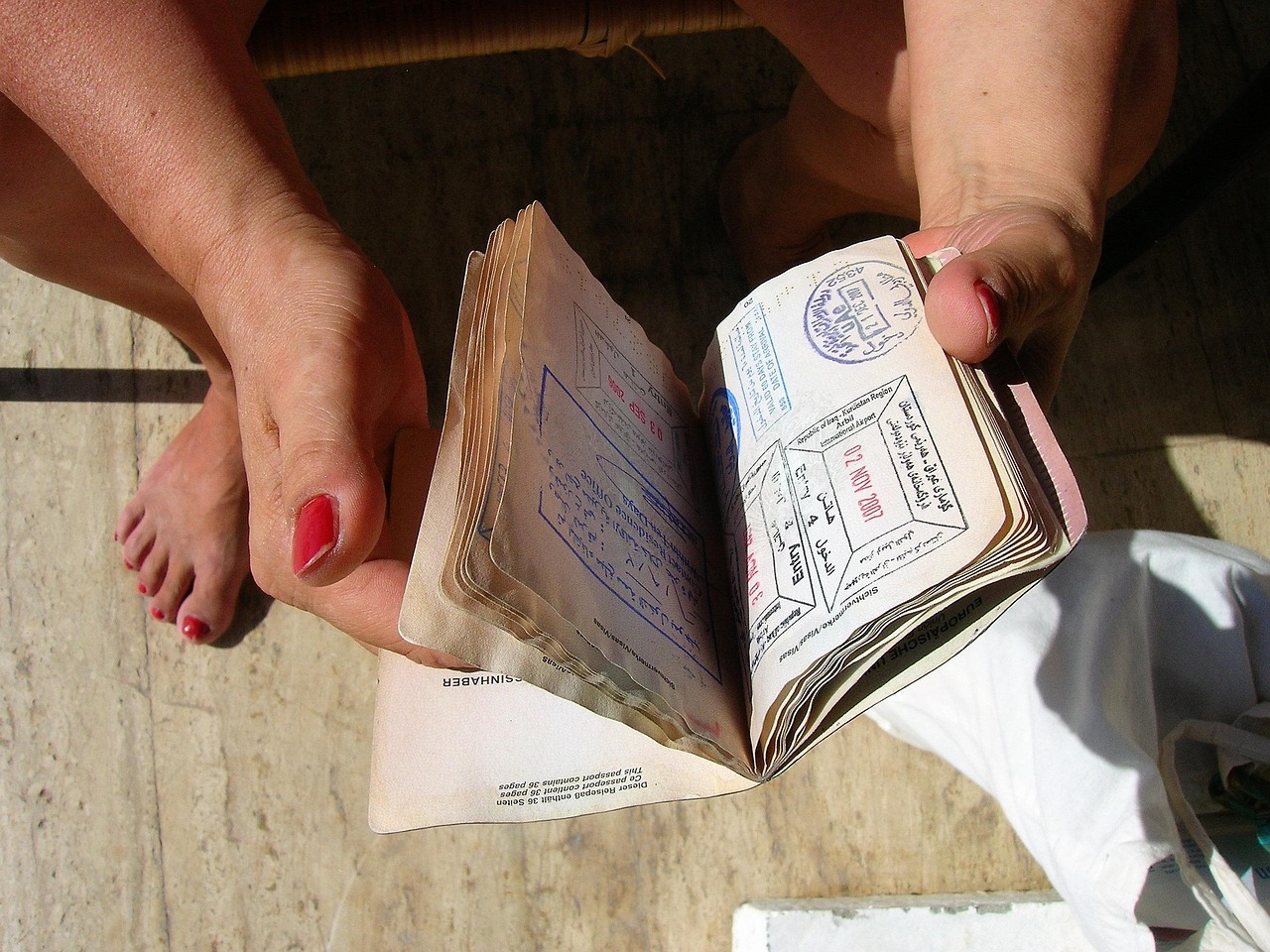
One of the first questions anyone asks after lodging a citizenship application is simple: how long is this going to take? The honest answer is that it varies. Sometimes considerably. But understanding what drives that variation puts you in a much better position to plan.
This guide breaks down the typical stages of an Australian citizenship application, what influences timelines at each stage, and what you can do to avoid adding unnecessary delays of your own.
Table of Contents
The Five Stages of a Citizenship Application
Processing time is not one number. It is the sum of several distinct stages, each with its own timeline.
1. Eligibility and lodgement
Before you lodge, you need to confirm you actually meet the residency requirements. This is your responsibility to verify, not the Department's. Applicants who lodge before they are eligible. Often because of a miscalculation in absences. Can have their application refused outright, restarting the clock entirely. If you are unsure whether you qualify yet, read the full breakdown of Australian citizenship residency rules before you submit.
Once you lodge, your application enters the queue for initial processing. This is primarily an administrative check. Are all required fields complete, are supporting documents provided in the correct format?
2. Assessment, character checks and the citizenship test
This is the longest and most variable stage. The Department of Home Affairs conducts identity verification, character and security checks, and reviews your full residency history. For most applicants, this stage also includes an invitation to sit the Australian Citizenship Test.
Factors that lengthen this stage include:
- Incomplete applications. Missing documents or inconsistencies trigger information requests, which pause your file until you respond.
- Complex travel history. Multiple short trips, extended absences, or time spent in multiple countries require more detailed verification.
- Character checks. Applicants who have had interactions with law enforcement. Even minor ones. May require additional checks that take more time.
- Test performance. Failing the citizenship test means resitting it, which adds weeks or months. Most applicants are allowed up to three attempts; passing first time keeps your application moving.
3. Decision
Once all checks are complete and you have passed the citizenship test, a decision is made. The Department will notify you in writing. For straightforward applications with no issues, this notification can come relatively quickly after the test; for complex cases, there may be further review before a decision is issued.
4. Citizenship ceremony
Approval does not make you a citizen. You must attend a citizenship ceremony and make the Australian Citizenship Pledge before citizenship is formally conferred. Ceremonies are organised by local councils and held at varying frequencies depending on the area. In some councils, the wait after approval can be several months.
5. Post-ceremony
After the ceremony, you receive your citizenship certificate. This is also the point at which your citizenship status can be linked to digital identity systems. Relevant if you plan to use services like myGovID going forward. More on what that involves in our guide to digital citizenship evidence and proof of Australian status.
Realistic Time Estimates
These figures are illustrative based on publicly reported trends and are subject to change. Always check the Department of Home Affairs global processing times page for current figures.
| Milestone | Approx. time (75th percentile) | Approx. time (90th percentile) |
|---|---|---|
| Application to decision | 13–16 months | 17–21 months |
| Decision to ceremony | 4–6 months | 7–9 months |
| Total: lodgement to citizenship | ~18–22 months | ~24–30 months |
These are averages across all applicants. Well-prepared applicants with clean, complete applications and a first-attempt test pass consistently land at the lower end of these ranges.
What You Can Control
The Department's workload and the scheduling of ceremonies are outside your control. But several things that influence processing time are entirely within it.
Submit a complete application. Use the Department's official checklist and double-check every document before lodging. A single missing piece can add weeks.
Respond promptly to requests. If the Department asks for more information, prioritise the response. Your application is paused until they receive it.
Keep your contact details current. A missed notification because your email address changed can delay an interview or test invitation by months.
Track your absences carefully. This is the most common source of avoidable errors. If your travel history is complex, calculate your absences before you apply rather than hoping the Department's records will align with your recollection.
Pass the citizenship test first time. This matters more than many applicants realise. Resitting adds time. And if you use all three attempts without passing, your application is refused. Study with the official Our Common Bond booklet as your primary source. Many applicants find it useful to start preparing well before they lodge so they are ready the moment a test date is offered. Our practice app covers the full syllabus with question types that match the actual exam.
What to Do While You Wait
An application under assessment can feel like being in limbo. It is not.
Use the waiting period to deepen your knowledge of Australia. The history, the democratic institutions, the values that will be tested in your citizenship exam. If you have not yet been called for a test, this is exactly when preparation pays off. If your test is already behind you, consider engaging more with the community you are about to formally join: local events, volunteering, local council meetings. These are not just good uses of time. They are genuinely part of becoming a citizen in practice, not just in paperwork.
References
- Department of Home Affairs. Global processing times. https://immi.homeaffairs.gov.au/citizenship/become-a-citizen/citizenship-processing-times
Related Articles

🎯 Ready to Pass?
Master the Australian Citizenship Test with 50+ realistic practice tests, 550+ Question Bank, a comprehensive study guide, smart flashcards, and performance insights.