Digital Citizenship Evidence: How Australians Now Prove Their Status
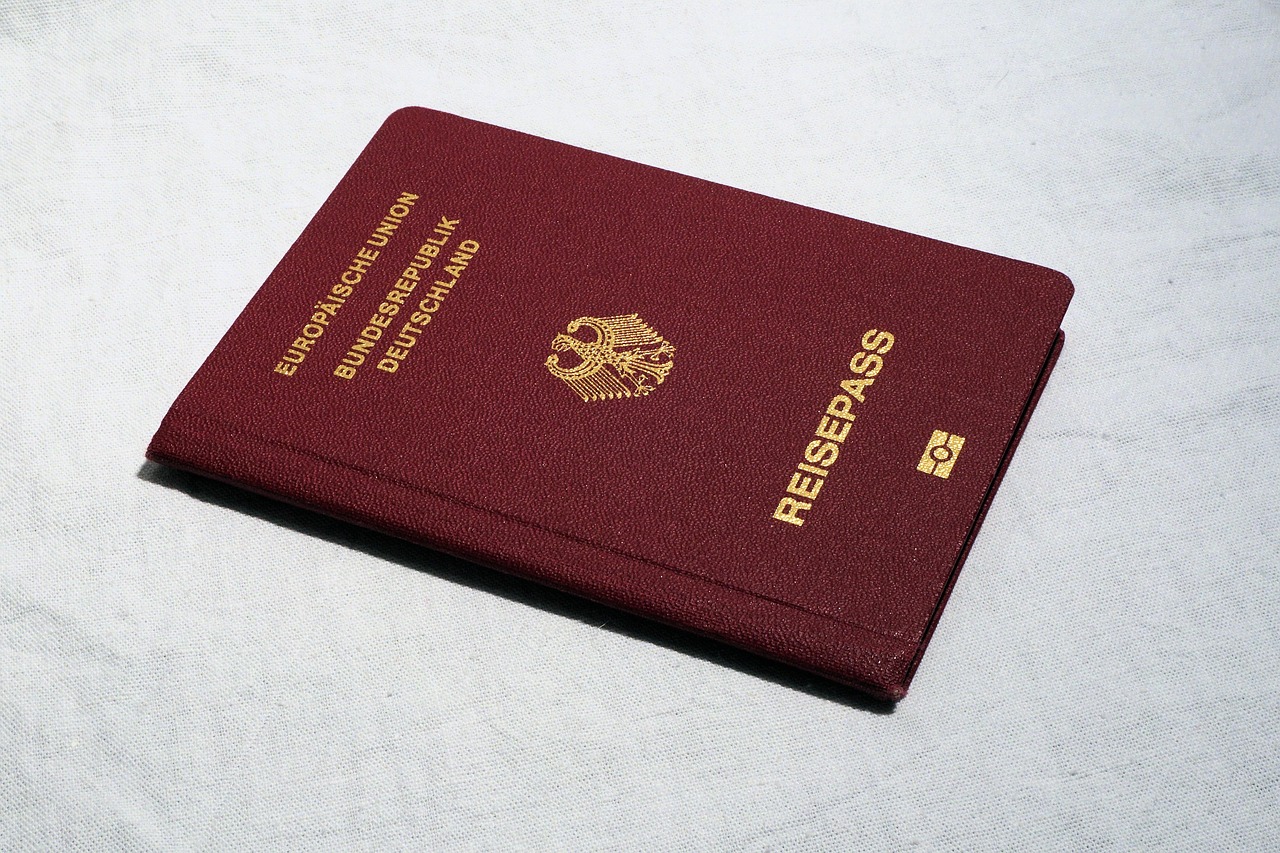
For most of Australia's history, proving you were a citizen meant producing a physical document. Your citizenship certificate, your passport, or your birth certificate. These documents remain valid and are still required in many contexts. But Australia has been building out a digital identity infrastructure that changes how citizenship status can be verified, and new citizens are worth understanding this system from the start.
This is not about replacing your certificate. It is about how Australian citizenship status can increasingly be confirmed electronically, what systems enable that, and what it means practically for people who have recently gone through the citizenship process.
Table of Contents
What Digital Citizenship Evidence Actually Means
Digital citizenship evidence is not a single document or card. It refers to the ability to verify that you are an Australian citizen through a secure, government-backed digital identity system. Without needing to hand over a physical document or have it manually checked.
The core infrastructure enabling this in Australia is the Digital Identity system, accessed through the myGovID app. myGovID allows you to establish a verified digital identity by linking it to documents the government has already verified: your passport, your Australian birth certificate, or your citizenship certificate. Once linked, your digital identity can be used to access government services online and, increasingly, to confirm aspects of your legal status to organisations that have been approved to use the system.
The underlying verification mechanism is the Document Verification Service (DVS). A secure government database that allows approved organisations to check whether a document's details match the issuing agency's records. For citizenship certificates, this means an organisation can confirm in real time that a certificate is genuine and that the person presenting it is who they say they are, without physically inspecting the certificate.
Why This Matters for New Citizens
If you have recently completed the citizenship process. Attended your ceremony, received your certificate, made your pledge. There are practical steps worth taking to integrate your new status into Australia's digital identity system.
Setting up myGovID is the starting point. The app is available for iOS and Android and is free. You verify your identity by confirming the details of existing identity documents (passport, driver's licence, Medicare card, or citizenship certificate). A stronger verification level. "Standard" or "Strong". Requires more documents but unlocks access to more services.
Once set up, your digital identity lets you access the full suite of myGov services (tax, Medicare, Centrelink, and others) without needing to re-verify manually each time, and it gives you a secure way to prove your citizenship status in contexts where digital verification is accepted.
What to keep in mind:
- Digital identity does not replace your physical citizenship certificate for all purposes. International travel still requires a physical Australian passport.
- You control what information is shared and with whom. The system is designed around selective disclosure. You can confirm "I am an Australian citizen" without sharing your date of birth or other details unless required.
- Update your details promptly if your name or address changes. Discrepancies between your digital identity records and physical documents can create verification problems.
The Broader Shift in How Identity Works in Australia
Australia's investment in digital identity infrastructure reflects a broader shift toward what the government calls "trusted digital identities". The idea that rather than presenting and photocopying documents at every interaction, you verify your identity once to a high standard and then use that verified identity across multiple contexts.
For citizens, this removes friction from common processes: opening bank accounts, accessing government services, providing evidence of work rights. For organisations, it reduces the administrative burden of manual document checking and the fraud risk that comes with it.
The system is still maturing. Not every organisation that currently asks for a citizenship certificate has integrated with the DVS or the Digital Identity framework. Physical documents remain necessary in many situations. But the trajectory is clear, and new citizens who set up their digital identity from the outset will find it increasingly useful as the system expands.
Getting to This Point
Receiving your citizenship certificate. The moment that makes digital citizenship evidence relevant. Comes at the end of a process that typically spans one to three years from lodgement to ceremony. If you are still earlier in that journey, understanding what each stage involves and how long it takes helps you plan. Our guide to Australian citizenship processing times covers the application stages in detail.
If you are still working toward the eligibility requirements. The residency period, absence limits, and permanent residency conditions. Our breakdown of the citizenship residency rules explains exactly what you need to satisfy before you can lodge. For those in the preparation phase who still have the citizenship test ahead of them, our practice app covers the Our Common Bond syllabus and helps build the test knowledge you'll need at that stage.
References
- Australian Government Digital Identity. myGovID. https://www.mygovid.gov.au
- Attorney-General's Department. Document Verification Service. https://www.ag.gov.au/identity/document-verification-service
Related Articles

🎯 Ready to Pass?
Master the Australian Citizenship Test with 50+ realistic practice tests, 550+ Question Bank, a comprehensive study guide, smart flashcards, and performance insights.